
Current Lab Members

Arijit Chakraborty, Ph.D.
Senior Postdoctoral Research Fellow
My interest in host-pathogen interactions began during my undergraduate years, when my professors introduced me to the world of pathogenic diseases. Current interventions toward most pathogen-borne diseases are the use of antimicrobials, which are not only toxic to the pathogens but also have deleterious effects on the host. This fact inspired me to delve deep into the understanding of the basic molecular mechanisms by which a pathogen infects the host and how the host defends against it. During the course of my doctoral study, I encountered an enigmatic pathogen, Leishmania donovani. I tried to understand and uncover its ability to destabilize the host immune system. As a postdoctoral fellow in Dr. Rahme’s Lab, I am interested in elucidating the molecular mechanism by which an opportunistic pathogen like Pseudomonas aeruginosa tries to evade the immune response and lead to chronic infection. I am particularly interested in studying the process of evasion of immune response brought about by some potent Quorum sensing molecules that is produced by the bacteria.

Shifu Aggarwal, Ph.D.
Postdoctoral Research Fellow
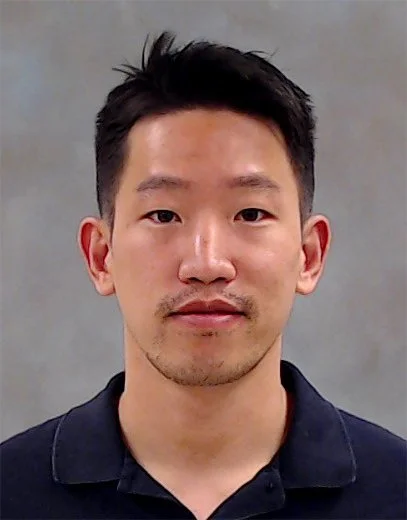
Myung Whan Oh, Ph.D.
Postdoctoral Research Fellow
Whan received his M.S. in Veterinary Pathobiology and Preventive Medicine from Seoul National University and his Ph.D. in Pathobiology from the University of Illinois at Urbana–Champaign. His research centers on bacterial pathogenesis, with a focus on how quorum sensing networks govern virulence and drive the metabolic interplay between host and pathogen, both in polymicrobial communities and in persistent and relapsing infection. His long-term goal is to define the regulatory programs underlying chronic infection and to advance them toward therapeutic application.
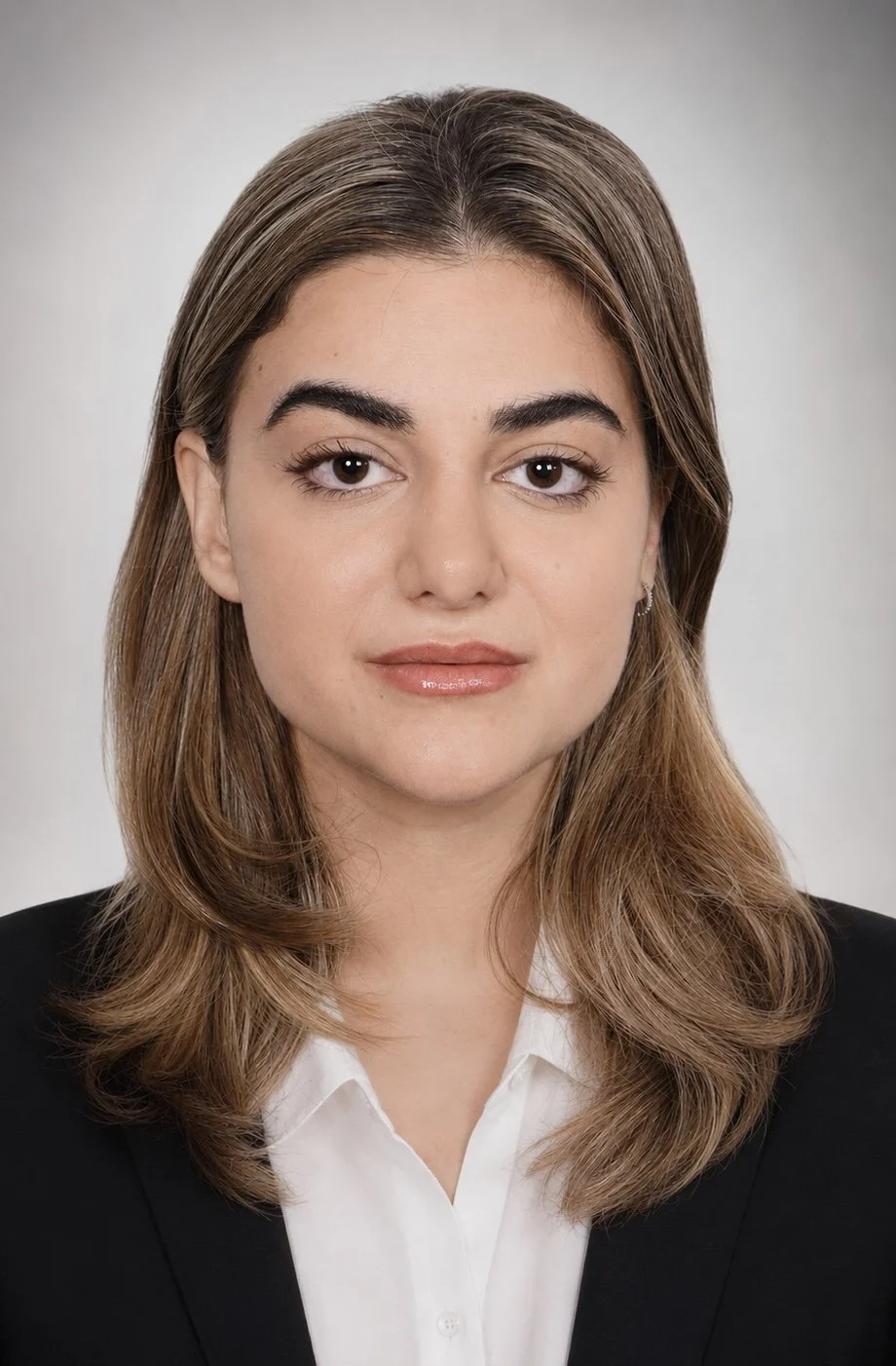
Lydia Kokotsaki, M.D.
Postdoctoral Research Fellow
My research interests center on host–pathogen interactions, particularly how Pseudomonas aeruginosa and its quorum-sensing molecules influence host responses, metabolism, and the gut microbiome. As a physician, I aim to understand better the mechanisms underlying these interactions and how they contribute to infection and disease.
Laura Fernandes da Silva, BSc.
Graduate Student
Kristin Robinson
Senior Administrative Manager for Research